News


12 March 2026
Empowering Adolescent Health Through Nutrition: Poshan Abhiyan Awareness Drive at Government School
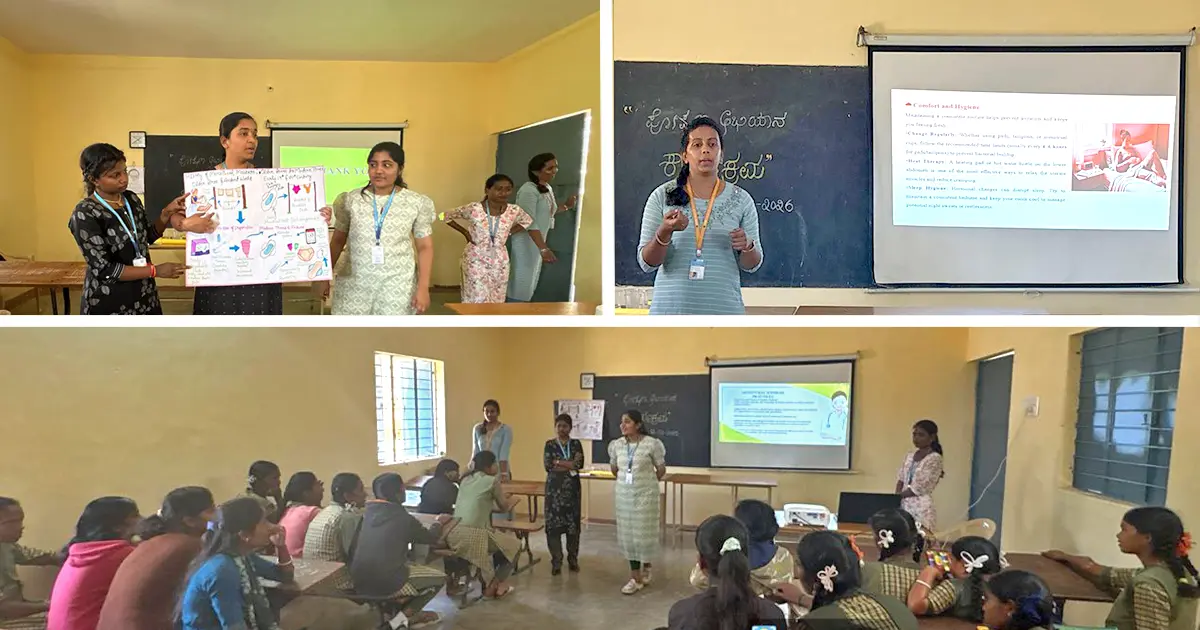
Bengaluru, 12th March 2026: An awareness programme under Poshan Abhiyan was conducted on 12 March 2026 at the Government High School in Paduvanagere, Kanakapura Taluk, Ramanagara District), with a focus on promoting nutritional awareness and menstrual hygiene among adolescent girls. The initiative was organised by the Department of Food Technology in collaboration with the FET NSS Wing, involving ten M.Tech Food Technology student volunteers.
The session aimed to strengthen understanding of balanced nutrition and its role in adolescent growth and overall well-being. Students were guided on the importance of incorporating essential food groups such as cereals, pulses, fruits, vegetables, milk, and protein-rich foods into their daily diet. Special emphasis was placed on iron and calcium intake to help prevent nutritional deficiencies, particularly anaemia, which is commonly observed among adolescent girls.
Alongside nutrition, the programme also addressed critical aspects of women’s health and hygiene. Students were sensitised to menstrual hygiene practices, including maintaining cleanliness during menstruation and the proper use and disposal of sanitary products. Information was also shared on alternative menstrual hygiene solutions, alongside broader discussions on reproductive health, preventive care, and the importance of vaccinations in maintaining long-term well-being.
The session was conducted in an interactive and open format, encouraging students to engage actively, ask questions, and clarify doubts. This approach helped create a comfortable learning environment where common misconceptions related to nutrition and menstrual health could be addressed effectively.
The programme had a meaningful impact on the students, enhancing their awareness of balanced dietary practices and personal health management. It also contributed to breaking social taboos around menstrual health, empowering participants with accurate information and practical guidance. Many students expressed increased confidence in applying these practices in their daily lives and sharing the knowledge within their families.
By integrating nutrition education with health awareness, the initiative reinforced the importance of early intervention in shaping healthier communities. It also provided student volunteers with valuable exposure to community engagement, aligning academic learning with social responsibility.